
Newsletter Subscribe
Enter your email address below and subscribe to our newsletter

 ByJohn A
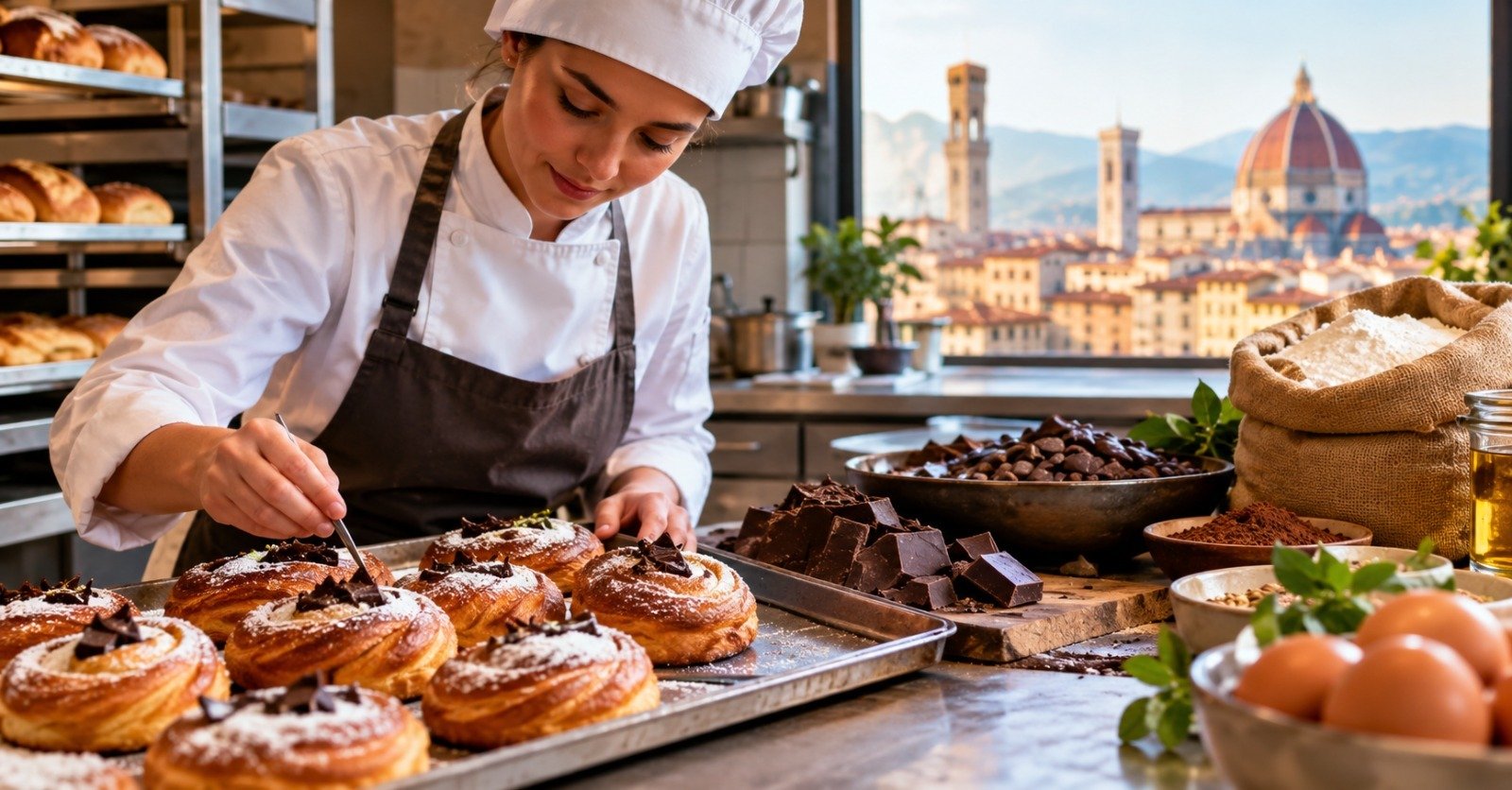
Step into a good Italian bakery early in the morning and you’ll see a craft shaped by generations: golden cornetti, crisp grissini, slow-fermented loaves, small pastries lined up behind the glass. It looks timeless. Behind the counter, though, a lot is quietly changing. Bakers and pastry chefs are trying new ingredients, reworking old recipes, and thinking harder about where their raw materials come from and what happens to the leftovers.
This article covers four connected areas that are shaping professional baking right now: ingredients, pastry recipes, chocolate and sustainability. If you run a bakery, work in a pastry lab, teach, or just like knowing how good food gets made, these themes show where the trade is heading and why.
For a long time the conversation in bakeries was about technique: the right hydration, the right oven temperature, the right pair of hands. Technique still matters enormously. But many professionals now say that consistent ingredients decide how far technique can go. A baker whose flour, fats, fillings and improvers behave the same way every week spends less time fixing problems and more time making things.
That’s where specialist suppliers come in. International ingredient companies such as Puratos Italia work with artisan bakers, pastry chefs and chocolatiers on solutions for bread, viennoiserie, patisserie and chocolate, pairing research with practical know-how from the workshop. For a small bakery, that kind of technical support can mean steadier results through the seasons, better shelf life without unnecessary compromises, and product ideas that would be hard to develop alone.
The point worth remembering is that better ingredients don’t replace craft. They give craftspeople better tools. A well-designed ingredient should respect the character of the finished product, whether that’s the open crumb of a ciabatta or the buttery layers of a croissant, while making production more reliable.
Few trends have lasted as long as the renewed interest in natural fermentation. Customers ask more questions about their bread now: how long it was fermented, which flour went into it, whether it sits well in the stomach. Italian bakers start with an advantage, since long fermentation is already part of the culture, from pane toscano to panettone.
Sourdough relies on a living culture of wild yeasts and lactic bacteria. Over a long fermentation they build acidity, aroma and structure, which gives bread a more complex flavour and a naturally longer freshness. It’s also a sensitive process. Temperature, flour type and feeding routines all change the result.
Keeping a starter healthy every single day is a real commitment, especially in a busy shop with several product lines. Many professionals therefore mix approaches, using a traditional starter alongside ready-to-use sourdough products so quality holds on the busiest days. The idea isn’t to cut corners on tradition. It’s to protect it from the unpredictability that creeps in when time and staff are short.
Interest in ancient grains, wholegrain flours and seed blends has grown alongside sourdough. Spelt, rye and mixed-seed loaves have moved from specialty items to regular fixtures in many shops. If you’re thinking of adding them, introduce them gradually, let regular customers try them, and explain at the counter what makes each one different.
Italian pastry has deep roots: crostata, sfogliatella, bomboloni, cannoli, torta della nonna. What’s changing isn’t the affection for these classics but how they’re interpreted. Many pastry chefs now dial back the sweetness, balance flavours with a little acidity or salt, and use fruit and nuts in less obvious ways.
Take the crostata. A traditional version has shortcrust pastry and a jam filling. A modern take can keep the same structure and change just three things. The pastry might get a little wholegrain flour or finely ground almonds for aroma and a slightly sandy bite. The filling might swap part of the jam for a fruit compote cooked with less sugar, or add a layer of cream scented with citrus zest. The finish could be toasted hazelnuts, a few fresh berries or a light dusting of cocoa, depending on the season.
The same approach works for most recipes. Respect the original structure, change one or two elements at a time, and taste constantly. A good update should feel familiar to someone who grew up with the classic version, yet fresh enough to bring them back.
Laminated doughs deserve a mention of their own. Croissants, cornetti and similar products remain among the most demanding items in any bakery, because the quality of the fat, the temperature of the dough and the precision of the folds all show up in the layers. Pastry teams are widening their morning offer with fillings such as pistachio cream, fruit preparations and savoury combinations, as long as production stays manageable.
Seasonality is probably the simplest creative guide of all. Citrus and chestnuts in winter, strawberries and apricots in spring and summer, figs and grapes in autumn: each gives a natural reason to change the display. It also tells customers the bakery is paying attention instead of reciting the same list all year.
Chocolate has become one of the liveliest corners of pastry. Customers are better informed than they used to be, and many now ask about cocoa origin, percentage and flavour notes much as they would about wine or coffee.
One clear direction is toward darker, more expressive chocolate with less added sugar. Depending on origin and processing, cocoa can taste fruity, floral, nutty or roasted, and professionals are learning to build desserts around those notes rather than cover them up. A dark chocolate mousse with a hint of orange, or a hazelnut praline lifted by a pinch of sea salt, shows how much cocoa has to offer.
Chocolate work is also about technique. Proper tempering gives shine and snap, stable ganaches keep their texture inside fillings, and crunchy elements like caramelised nuts or thin biscuit pieces add contrast. Many pastry chefs combine these in single-portion desserts and pralines, which are easy to sell and easy to share.
Demand for vegan and lower-sugar products keeps shaping recipes too. A convincing plant-based mousse is harder than it sounds, because milk and eggs do structural work. The chefs who get it right usually test several formulations, check how each behaves over a few days, and adjust slowly. The goal is a dessert that stands on its own, not a pale copy of the traditional one.
In Italy, chocolate and pastry are tied to the calendar: Easter eggs and colomba, panettone and pandoro at Christmas, Carnival fritters, gifts for Valentine’s Day. These stretches matter a great deal to most bakeries, and planning early, from recipe tests to packaging, is often what separates a rushed offer from a memorable one.
Sustainability is no longer a side topic. It affects what bakers buy, how they organise their days, and how customers see them. It’s also a word used so loosely that it can mean almost nothing. In a bakery, it usually comes down to a few concrete things.
Sourcing. Many professionals now ask suppliers where key raw materials such as cocoa, wheat, fats, sugar and nuts come from. Traceability, responsible sourcing programmes and certifications can help buyers understand how an ingredient was produced. When a supplier makes a claim, ask for clear documentation rather than settling for general statements.
Waste. Bread and pastries are fresh products with a short life, so waste is a constant challenge. Bakeries tackle it in practical ways: adjusting volumes using the previous weeks’ sales, baking certain items in smaller batches through the day, turning leftover bread into breadcrumbs, croutons, ribollita or bread pudding, and offering end-of-day discounts or passing unsold food to local organisations that redistribute it. None of these is dramatic. Over a year, they add up, for the environment and for the budget.
Energy and packaging. Ovens, proofers and refrigeration use a lot of energy, so regular maintenance and sensible scheduling pay off. Packaging is the most visible part for customers, who increasingly notice whether a shop uses recyclable or reduced materials. These steps are easy to explain, and they earn trust when they’re applied consistently rather than only when they make good marketing.
The most convincing bakeries treat sustainability as part of quality rather than a separate project. A well-planned production schedule cuts waste and improves freshness. Carefully chosen ingredients support flavour and responsible sourcing at once. Better training means fewer failed batches. In practice, good craft and sustainable practice often point the same way.
If you want to bring in new ideas without losing your identity, a few habits help:
Training matters here as well. Workshops, professional courses and conversations with other bakers keep a team current, and they often spark ideas that daily routine never would.
Baking in Italy will most likely keep balancing respect for tradition with openness to change. Customers still want the comfort of a perfect cornetto or a well-made loaf, but they’re also curious about new flavours, better nutrition, transparent sourcing and more responsible production. Bakers and pastry chefs who pair solid technique with thoughtful ingredient choices are well placed to meet that curiosity.
Innovation doesn’t have to be dramatic. Sometimes it’s a slightly longer fermentation, a cleaner filling, a darker chocolate, or a smarter way to plan production and cut waste. Small improvements, made with care and kept up over time, are often what turn a good bakery into a trusted local name.
At its core the craft hasn’t changed: making food people enjoy and remember. Today’s tools, ingredients and knowledge simply give professionals more ways to do that well, with more respect for their customers and the planet.
